Currently Empty: R0.00

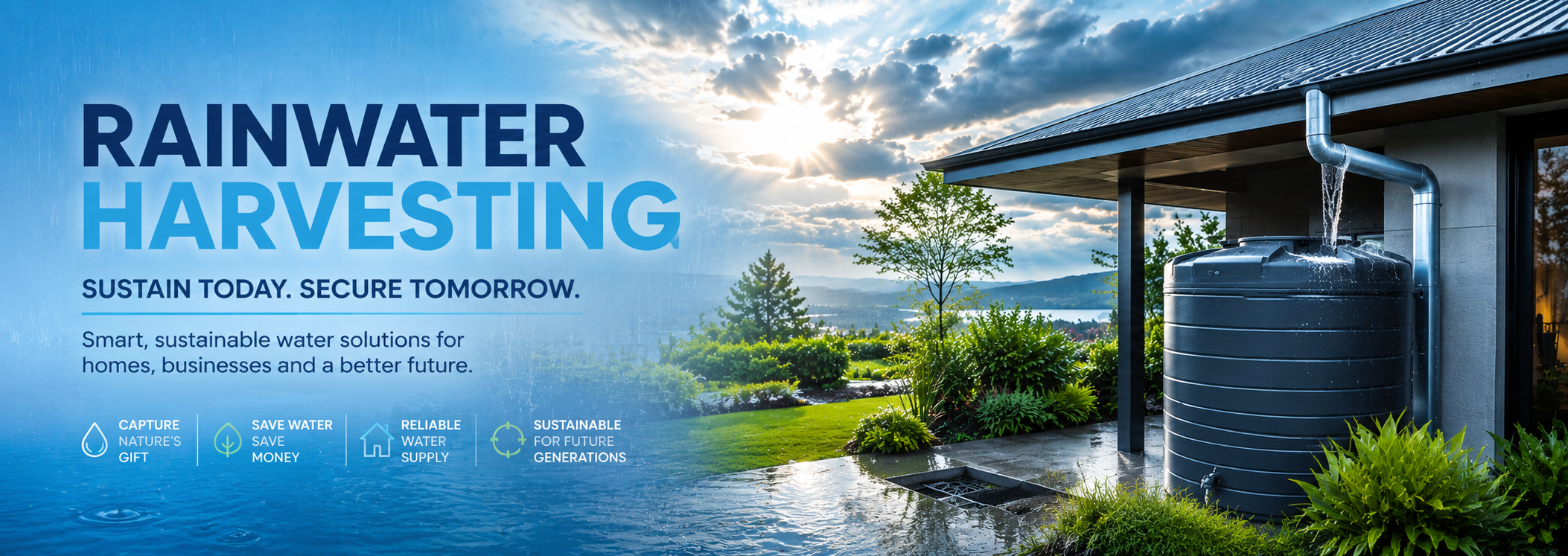
Rainwater Harvesting: Complete Guide for South African Homes
Rainwater harvesting is one of the most effective ways to reduce reliance on municipal water while making better use of a natural resource. By collecting and storing rainwater from rooftops, homeowners and businesses can use this water for irrigation, cleaning, toilet flushing and, with the correct treatment, even for drinking.
As South Africa continues to experience droughts, water restrictions and rising water costs, rainwater harvesting has become an increasingly popular solution for improving water security and reducing monthly water bills.
Whether you’re looking to supplement your household water supply or create a more sustainable property, understanding how rainwater harvesting works is the first step.
What Is Rainwater Harvesting?
Rainwater harvesting is the process of collecting rainwater from rooftops and directing it into storage tanks for future use.
Instead of allowing rainwater to flow into stormwater drains, it is captured, stored and used when needed.
A typical rainwater harvesting system consists of:
- Roof catchment area
- Gutters and downpipes
- Leaf guards
- First-flush diverter
- Storage tank
- Water pump
- Filtration system
- Distribution plumbing
Each component plays an important role in maintaining water quality and system efficiency.
How Rainwater Harvesting Works
A rainwater harvesting system follows a simple process.
Step 1: Rainwater Collection
Rain falls onto the roof, which acts as the collection surface.
The roof material should be suitable for collecting clean rainwater.
Step 2: Water Travels Through Gutters
Gutters and downpipes carry the collected rainwater to the storage system.
Regular cleaning helps prevent leaves and debris from entering the tank.
Step 3: First-Flush Diverter
The first rainfall after a dry period often contains the following:
- Dust
- Bird droppings
- Leaves
- Dirt
A first-flush diverter redirects this initial water away from the storage tank, improving overall water quality.
Step 4: Water Storage
The cleaner rainwater enters a storage tank where it is kept until needed.
Storage tanks are available in a range of sizes depending on water demand and available space.
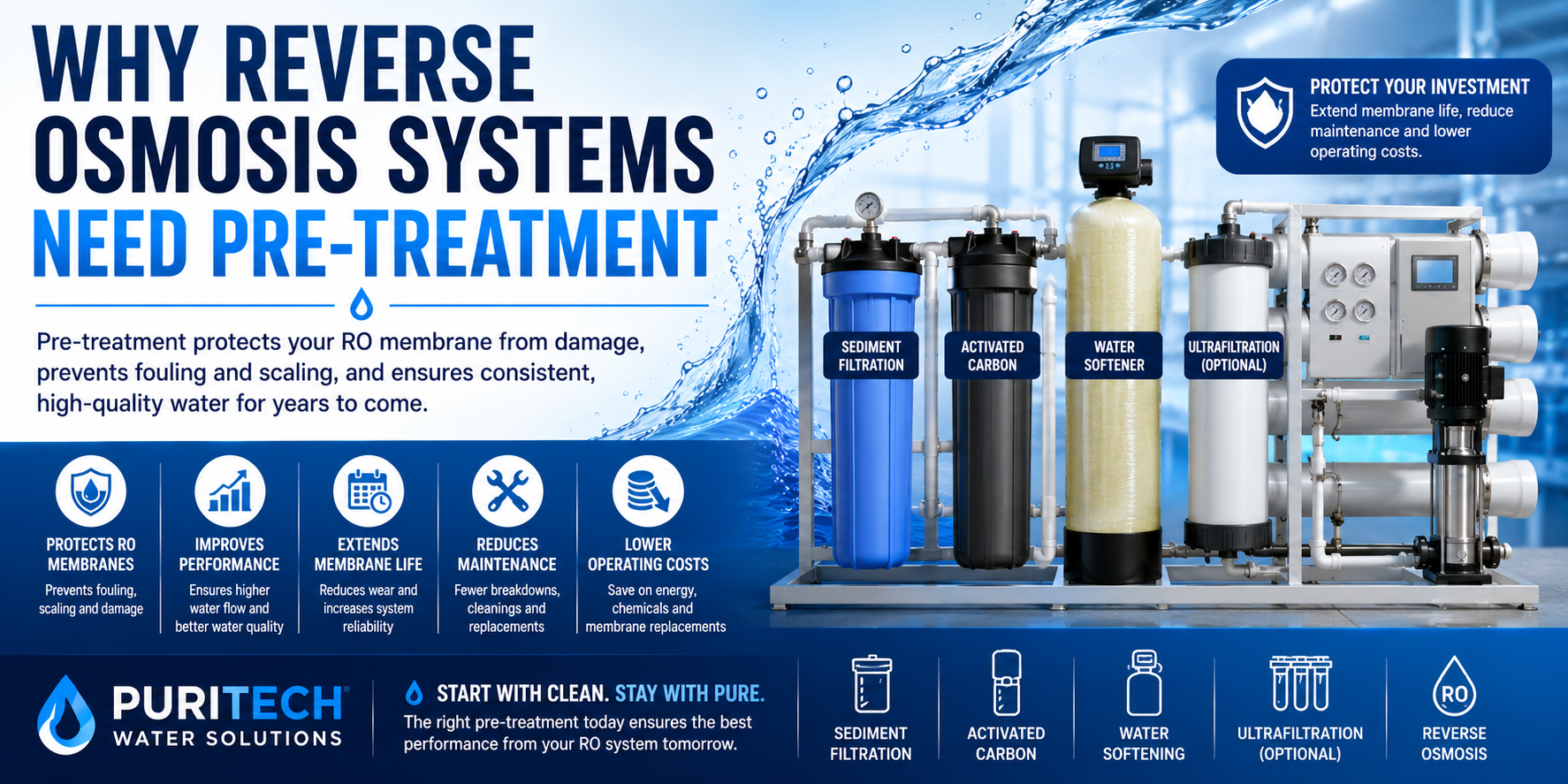
Step 5: Filtration
Before use, harvested rainwater should pass through suitable filtration.
Depending on the intended application, filtration may include the following:
- Sediment filtration
- Activated carbon filtration
- UV disinfection
- Reverse osmosis for drinking water
Selecting the right treatment depends on how the water will be used.
Benefits of Rainwater Harvesting
Installing a rainwater harvesting system offers many advantages.
Reduce Municipal Water Consumption
Using harvested rainwater for non-drinking purposes reduces dependence on municipal supplies.
Lower Water Bills
Using free rainwater can help reduce monthly water costs, especially for larger households and businesses.
Water During Restrictions
Stored rainwater provides an alternative source during water restrictions or supply interruptions.
Environmentally Friendly
Rainwater harvesting reduces demand on municipal infrastructure while promoting responsible water use.
Support Gardens and Landscaping
Harvested rainwater is ideal for:
- Irrigation
- Vegetable gardens
- Lawns
- Trees
- Flower beds
Uses for Harvested Rainwater
Depending on treatment, harvested rainwater may be used for the following:
Outdoor Applications
- Garden irrigation
- Car washing
- Pressure cleaning
Household Applications
- Toilet flushing
- Laundry
- General cleaning
Drinking Water
Rainwater intended for drinking should always be properly filtered and disinfected using equipment designed for potable water.
Choosing the Right Rainwater Harvesting System
Several factors influence system design.
Roof Size
Larger roofs collect more rainwater.
Rainfall Patterns
Local rainfall affects the amount of water that can be collected annually.
Water Demand
Consider:
- Number of occupants
- Garden size
- Daily water usage
Tank Capacity
Choose a storage tank that balances available space with expected water demand.
Maintaining a Rainwater Harvesting System
Routine maintenance helps keep your rainwater harvesting system operating efficiently.
Recommended maintenance includes:
- Cleaning gutters
- Removing leaves
- Inspecting leaf guards
- Cleaning storage tanks
- Replacing filter cartridges
- Inspecting pumps
- Testing water quality
Regular maintenance helps ensure cleaner water and reliable system performance.
Common Mistakes to Avoid
Avoid these common problems:
- Using dirty roofs for water collection
- Skipping first-flush diversion
- Neglecting filter maintenance
- Using untreated rainwater for drinking
- Allowing tanks to remain uncovered
Proper installation and maintenance improve both water quality and system longevity.
Frequently Asked Questions
Is rainwater harvesting legal in South Africa?
Yes. Rainwater harvesting is widely used throughout South Africa and is an effective way to supplement household and commercial water supplies.
Can harvested rainwater be used for drinking?
Yes, but only after appropriate filtration and disinfection to ensure it is safe for human consumption.
How often should rainwater filters be replaced?
Replacement intervals depend on water quality, system usage and the filter type. Regular inspections are recommended.
Do I need a pump for a rainwater harvesting system?
Many systems use a pump to supply water to taps, toilets, irrigation systems or other outlets where pressure is required.
Conclusion
Rainwater harvesting is a practical and sustainable way to reduce municipal water usage, lower water costs and improve water security. With the correct collection, storage and filtration system, harvested rainwater can be safely used for many household and commercial applications.
Puritech supplies water filtration systems, pumps and water treatment solutions that help customers get the most from their rainwater harvesting systems while maintaining reliable water quality.